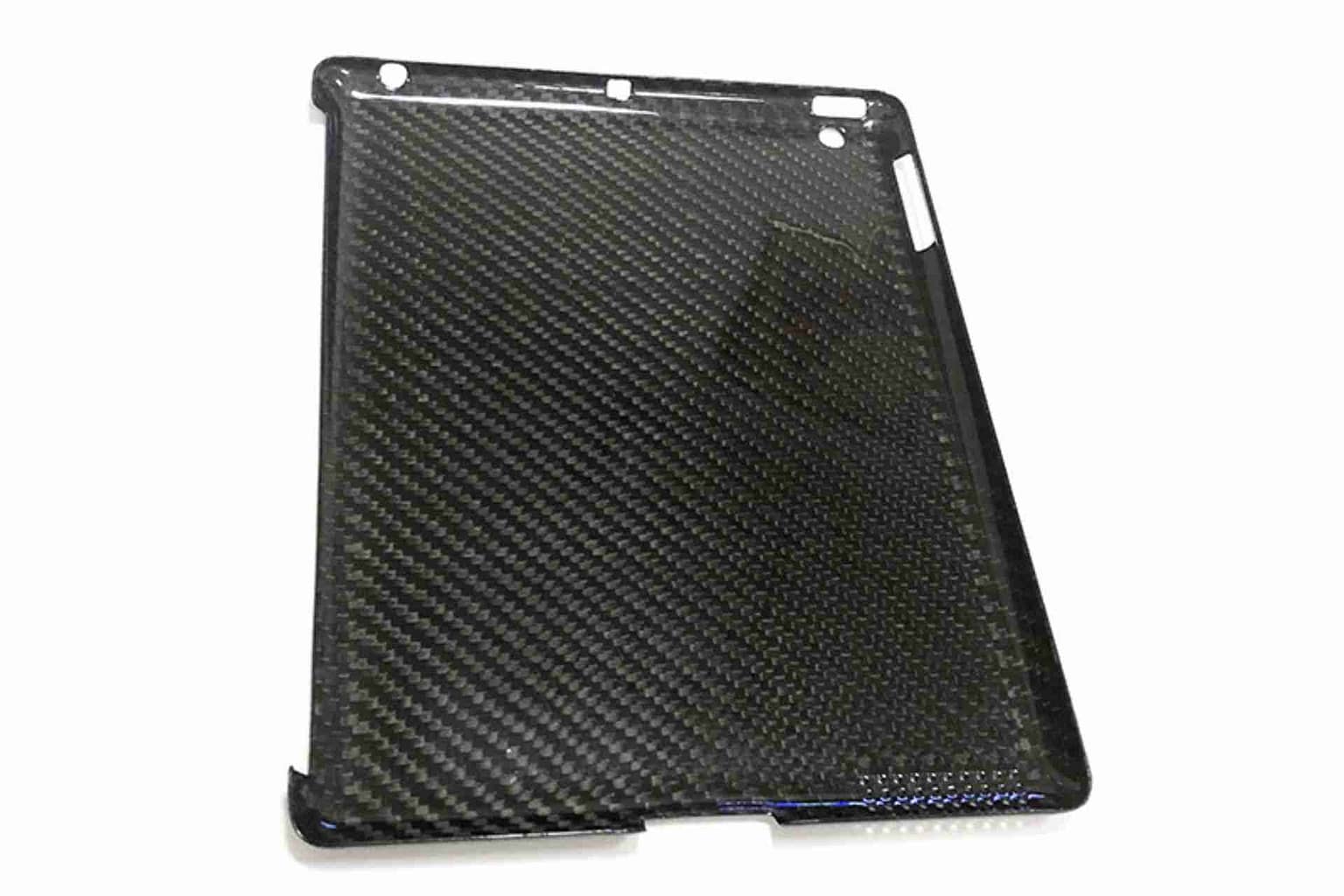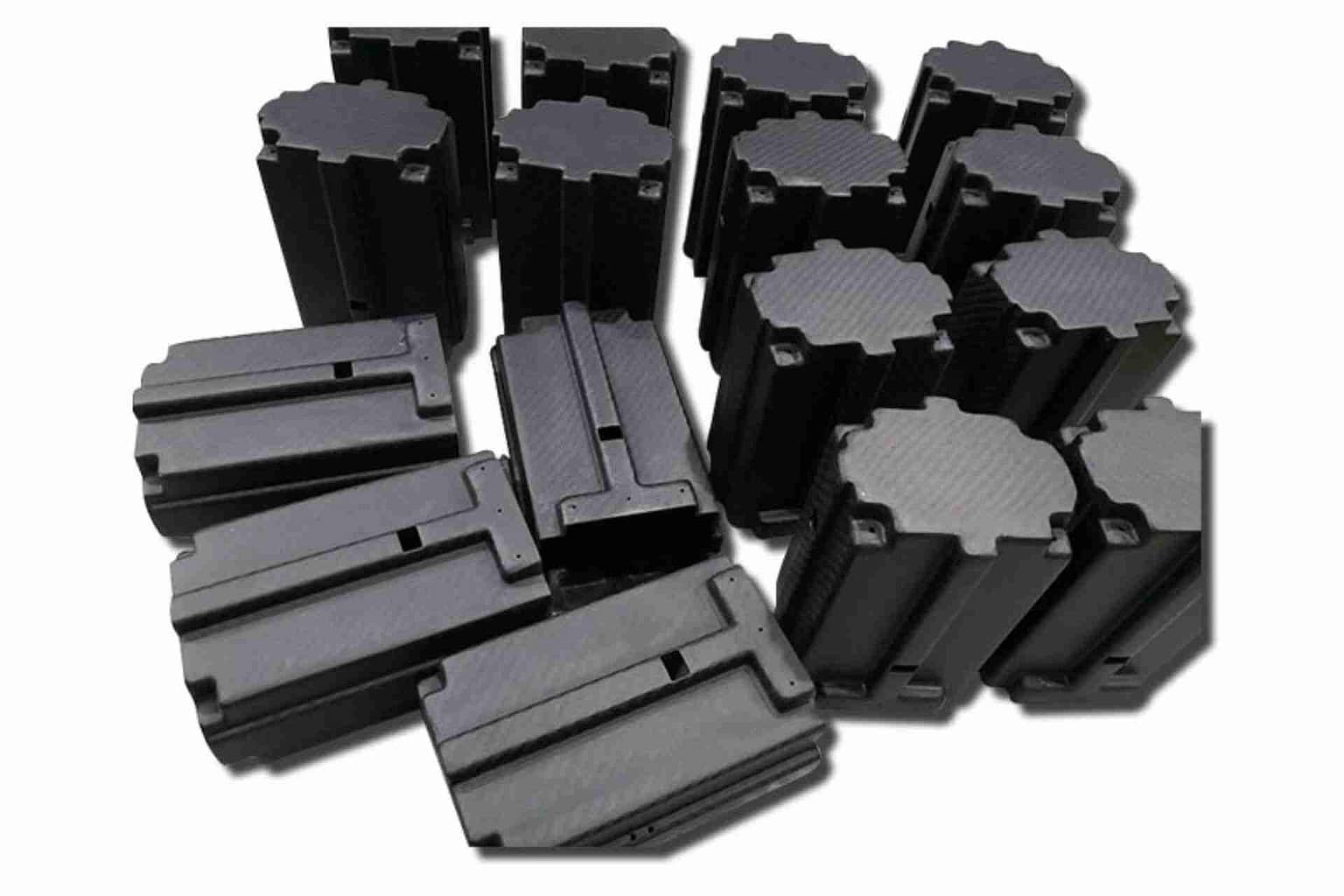
With an excellent strength-versus-weight ratio, carbon fiber tubes are crafted for applications that demand durability alongside weight minimization
Constructed by bonding carbon fiber reinforcements into a cured resin matrix, the tubes become a high-performance composite
Strategically aligned carbon fibers offer high tensile strength and rigidity, paired with a lightweight resin that trims overall mass
The merged benefits of strength and lightness enable creation of structures that are resilient yet weight-efficient
Carbon fiber tubing is applied in aerospace, automotive, athletic equipment and healthcare device construction
For aircraft construction, carbon fiber tubing reduces structural mass in fuselages and wings, boosting fuel economy and capabilities
Likewise in the automotive field carbon fiber tubes are used for suspension parts and chassis reinforcement to improve handling while cutting vehicle weight
Precision square carbon fiber tubing for enhanced structural performance
In modern engineering contexts where lightweight design and high structural performance are essential, carbon fiber square tubes have become a top choice
High-precision production results in square carbon fiber tubes that blend mechanical strength with broad design flexibility
Created by weaving or arranging high-performance carbon fibers into tight grids and bonding them with a resin, these tubes resist both compression and tension
Their high rigidity makes square carbon fiber tubes appropriate for applications where dependable structural integrity is required
Whether applied in aerospace components, vehicle chassis, or high-end sports equipment, these tubes deliver dependable performance under severe conditions
Their reduced weight also helps achieve better fuel efficiency and improved overall system performance
- Likewise, dimensional accuracy promotes easy assembly incorporation and curtails the need for costly adjustments
- Accordingly, these tubes have grown into essential materials for industries pursuing enhanced performance and operational efficiency
Tailored rectangular carbon fiber tubing for optimized mechanical performance
The material’s top strength-to-weight ratio and stiffness make carbon fiber well-suited for strenuous engineering uses
The unique geometry of rectangular and prismatic carbon fiber tubes enables superior structural and load-bearing performance
Manufacturers can tailor these tubes precisely to meet structural integrity, load-bearing and mechanical requirements
Manufacturers and fabricators create high-precision rectangular carbon fiber tubes for aerospace, sports and industrial uses according to specifications
Such flexibility enables innovative design solutions that boost performance and improve functionality
Carbon fiber plate systems designed for superior rigidity and impact protection
High stiffness characterizes carbon fiber plates, qualifying them for heavy-duty load applications
Made by consolidating carbon fibers into a resin matrix, the plates provide strong resistance to bending and deformation
Their high impact resistance and toughness comes from the carbon fibers’ ability to absorb energy without catastrophic failure
Cutting-edge composite systems: carbon fiber tubes paired with plates for advanced performance
Carbon fiber plates and tubes are selected in advanced materials engineering for their remarkable mechanical traits and lightness
The blend of lightness and robustness makes them applicable across aerospace, automotive, sporting goods and specialized consumer markets
These composites are manufacturable into intricate geometries while preserving stiffness and resilience, expanding design possibilities
Moreover, progress in manufacturing has improved cost-effectiveness and scalability, increasing accessibility across industries
Using carbon fiber composite parts results in stronger, lighter designs compared with many standard materials
The materials’ resistance to environmental degradation and fatigue increases longevity and dependable performance under stress
These composite properties stimulate innovation and guide the evolution of engineering design and materials science
Mapping common uses and industry implementations for carbon fiber tubes and plates
Carbon fiber composite tubes and plates demonstrate robustness and have become highly recognized across many fields
Because of their strength-to-mass efficiency and mechanical properties, these composites serve in numerous applications
Common applications include aerospace, automotive and construction, where they form structural elements that demand high strength and durability
Sporting applications leverage these materials for frames and gear such as bikes and clubs to increase performance and reduce weight
Carbon fiber composites are being applied in medical devices such as prostheses and surgical instruments to great effect
Carbon fiber-enabled lightweighting across tubes, plates and composite assemblies
Carbon fiber materials allow dramatic weight reduction across applications while maintaining required structural strength
Carbon fiber tubes are often chosen for cases demanding high stiffness and minimal weight such as bicycle frames and blade structures
Plates serve as stiff, robust structural elements for aircraft and spacecraft where strength and dimensional stability are crucial
Material innovation driving expanded applications for carbon fiber composites
Carbon fiber serves as a materials science phenomenon prized for high strength and toughness
The fusion of thin carbon fibers and a polymer matrix creates a composite that is both light and mechanically strong
Increasing applications in aviation and automotive result from the performance and fuel-efficiency gains tied to weight reduction
Automotive use of carbon fiber helps produce lighter, stronger chassis and body parts that improve handling and occupant protection
Carbon fiber structures offer adaptable solutions across both aerospace and automotive industries
These composites revolutionize industries such as aerospace and automotive through superior strength-to-weight performance
Using lightweight composites results in vehicles and aircraft that are both high-performing and fuel-efficient while remaining durable
Car makers integrate carbon fiber into panels, chassis and certain frame components to achieve weight savings and improved handling
Carbon fiber plate and tube technology is continually pushing engineering frontiers
The exceptional strength-to-weight of these components has led to transformative applications across sectors
Performance-driven industries like aerospace, automotive and medical fields increasingly utilize these lightweight, robust materials
For aerospace, using carbon fiber enables lower fuel burn and improved aerodynamic characteristics
Similarly, in the automotive sector, carbon fiber application reduces weight and enhances acceleration, handling and efficiency
- Successful implementation requires knowledge of carbon fiber behavior, fabrication methods and necessary design compromises Effective deployment calls for a clear grasp of the material’s behavior, how it is fabricated, and the design trade-offs required To harness carbon fiber well you must grasp its mechanical behavior, production constraints and relevant design trade-offs To harness carbon fiber well you must grasp carbon fiber diving fins its mechanical behavior, production constraints and relevant design trade-offs
- Growing research and deployment point to a promising future for carbon fiber components
- Sustained development work will improve performance properties and open new application areas
- So, carbon fiber materials are likely to be pivotal in shaping future engineering and manufacturing trends
Practical pathways to unlocking carbon fiber’s maximum performance potential
Because of its favorable mechanical properties, carbon fiber is widely used to raise performance across many engineering domains
The guide covers properties, applications and integration techniques to help designers leverage carbon fiber effectively
From vehicle and aircraft engineering to sports gear and consumer electronics, carbon fiber supports performance gains
Leveraging it successfully requires a detailed understanding of material behavior, fabrication constraints and design trade-offs
Practical guidelines for selecting the right type of carbon fiber for your specific needs.